
Où les chercheurs d'emploi se connectent avec
les employeurs en Jeux de Hasard-Hôtellerie/Technologie
Cliquez sur le lien ci-dessous pour vous connecter:
Cliquez sur le lien ci-dessous pour vous connecter:
Search 1 496 Casino Job Openings
Behavioral Health Counselor 2
Rémunération: 93 309 $ à 130 645 $ par année
Sandia Resort & Casino
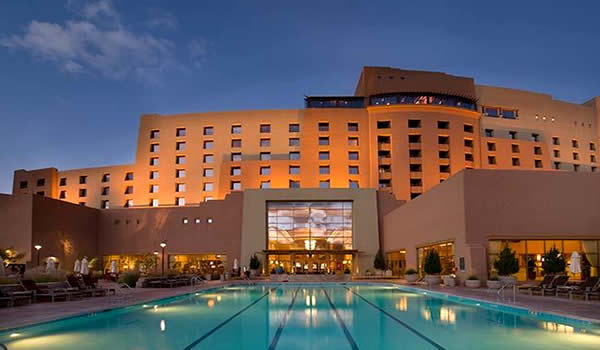
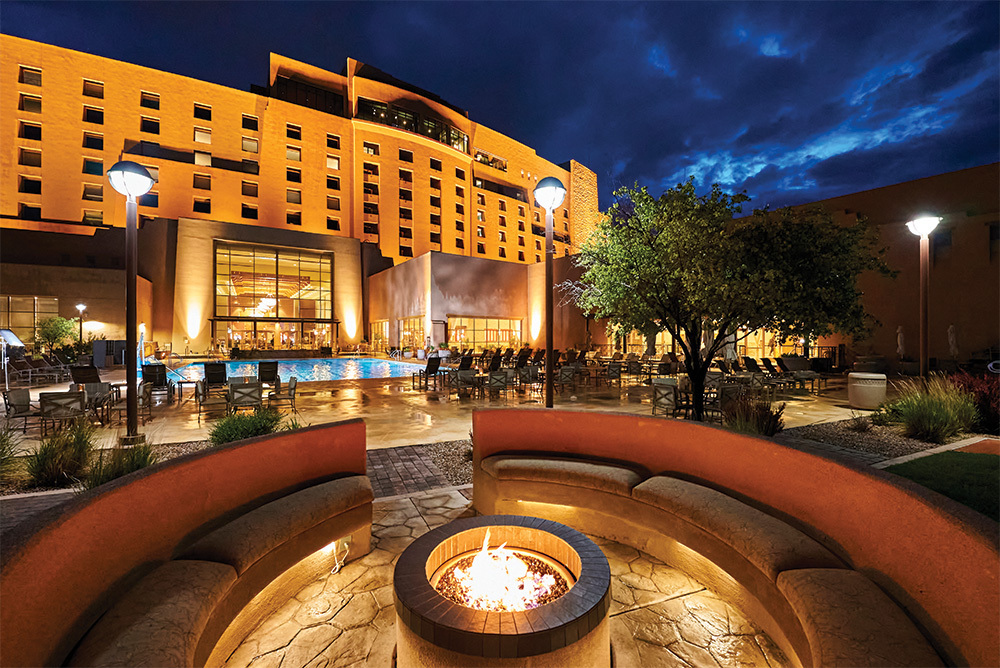
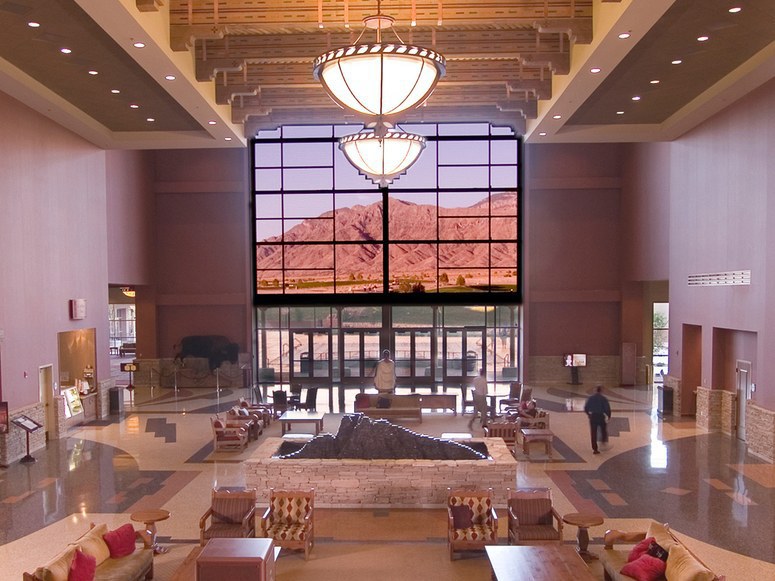
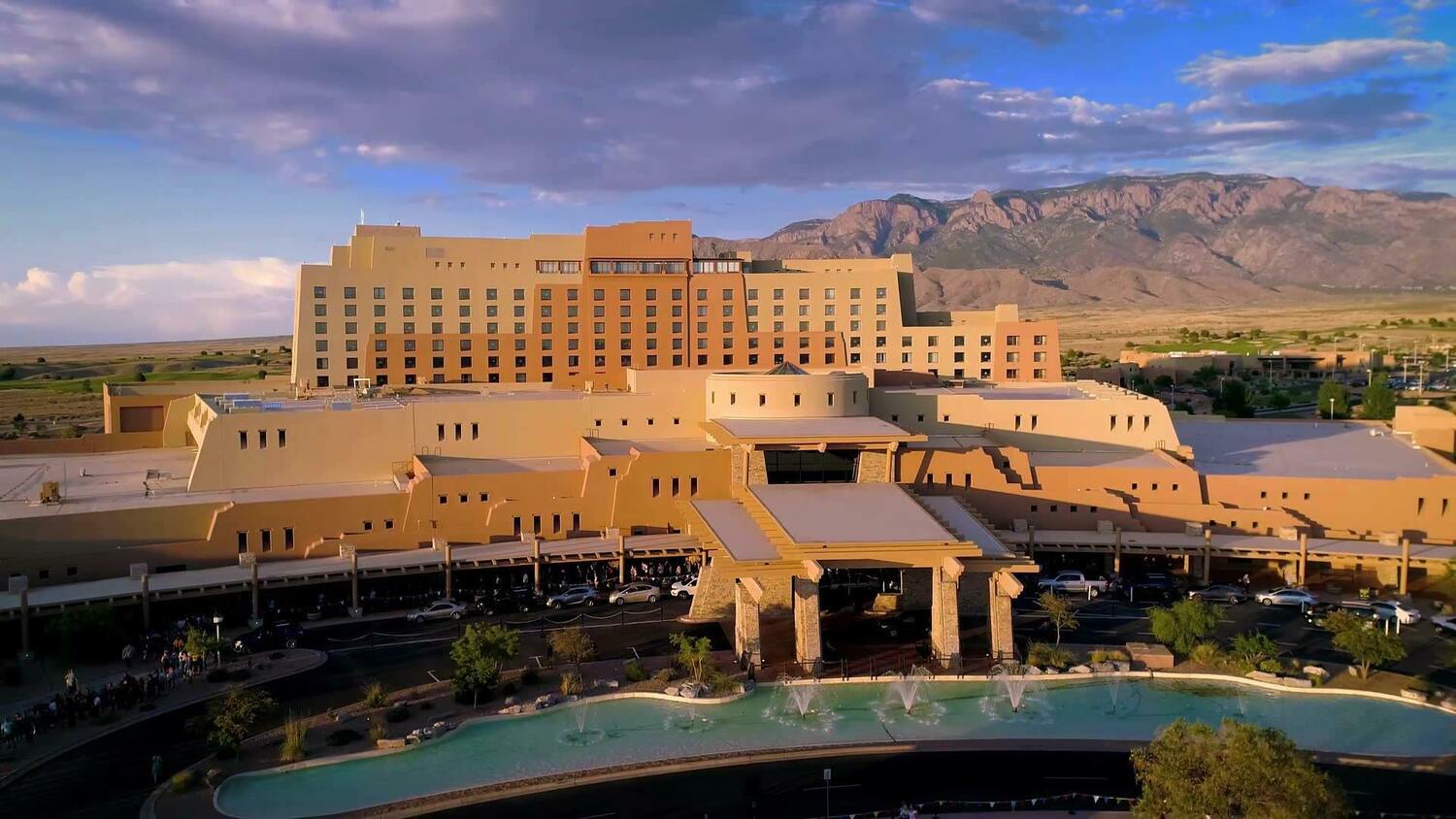
The Sandia Resort and Casino is situated on the Northeast corner of Interstate 25 and Tramway Road in Albuquerque, New Mexico. Since it first opened in 1994, The Sandia Resort and Casino has undergone extensive developments to its property to provide a truly all-inclusive and luxurious experience for visitors.
Owned and operated by the Pueblo of Sandia, it was the very first Indian casino in New Mexico at its opening. Now there are approximately 25 tribal casinos in the state, including Sandia.
The goal was to create an upscale experience that was close to home for New Mexicans, while encompassing Southwestern pride and culture for out-of-state visitors. With friendly customer service and opulent amenities, this goal was not only realized, it made Sandia Resort & Casino the best place for entertainment in the state.
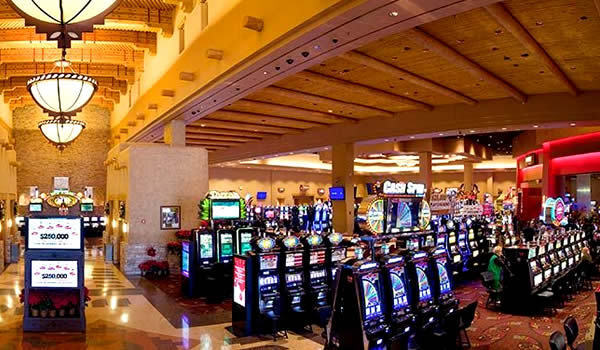
The Vegas-style casino floor offers 140,000 square feet of your favorite games, including more than 2,300 slots, Blackjack, Craps, Roulette, Mini Baccarat, Pai Gow Poker, Three Card Poker, Bingo, Live Keno, and the state's largest non-smoking Poker room.
This is only the tip of the iceberg in regards to all that Sandia Casino has to offer. With the addition of the hotel in 2005, and another expansion in 2014 to add the golf pavilion and parking garage, Sandia Resort & Casino slowly became much more than just a place to game.
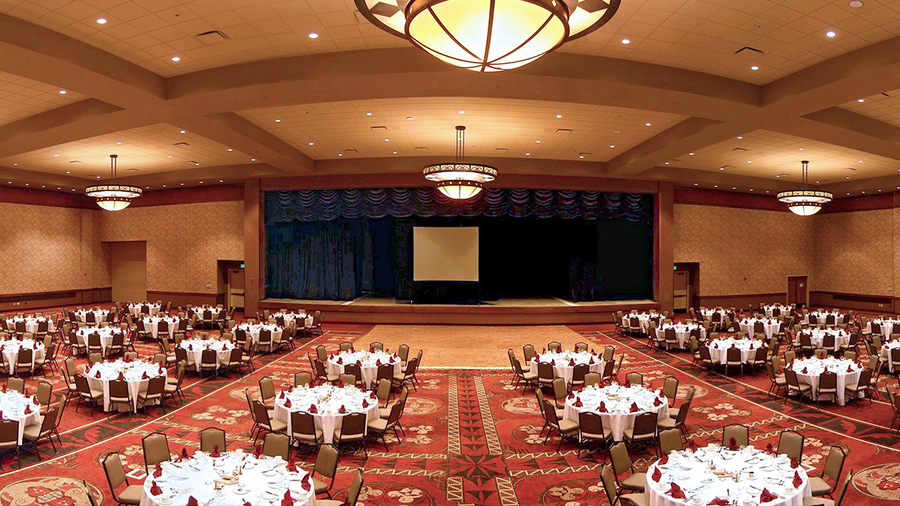
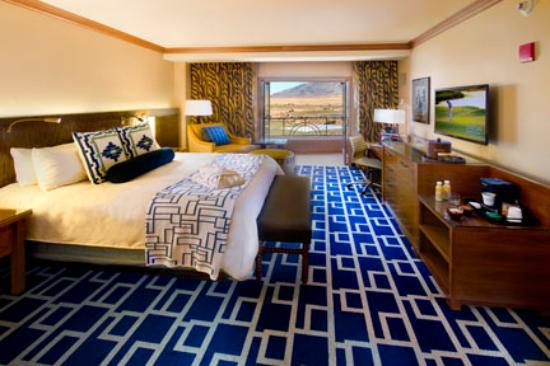
Visitors from all over the nation can now get lost in the lights and sounds of the casino floor, relax at the luxurious Green Reed Spa, dive into the outdoor pool, tee off on the 18-hole championship golf course, listen to their favorite singer at the amphitheater, dine at any of the numerous restaurants, bars, and lounges, get married to their best friend, and spend the night in one of the grand, luxury suites – all available onsite.
Come say hello to New Mexico’s best place to play – Sandia Resort & Casino!
Postes Vacants Actuels
- Gaming Commissioner Tribal
- Cook Banquet
- Accounts Payable Clerk
- Early Childhood Teacher
- Behavioral Health Counselor 2
- Hard Maintenance Technician
- Materials Manager
- Table Games Dealer
- Senior Companion Program Nurse Manager
- Helpdesk Technician II
- Restaurant Busser - Sportsbar
- Responsible Gaming Coordinator
- Slot Technician
- Baker
- Restaurant Host(ess) Council Room
- Master Kitchen Cooking Equipment Service Technician
- Public Areas Attendant
- Purchasing Clerk
- Sales Floor Coordinator Tiwa
- Sales Associate Sandia Fuel
- Dishwasher
- Sales Associate Tiwa Travel Center
- Beverage Supervisor
- Cook Banquet
- Restaurant Supervisor - Mountainside
- Tiwa Language Teacher Intern
- Infrastructure Administrator II
- Deli Attendant
- First Cook Bien Shur
- Casino Host
- Cook - Council Room
- Hard Maintenance Lead
- Cook Kowira Grill
- Behavioral Health Manager
- Table Games Supervisor
- Bus Driver
- House Person
- Cage Lead Shift Supervisor
- Lead PBX Operator
- Director of IT
- Pit Manager / Boss
- Slot Supervisor
- Restaurant Busser Council Room
- EDR Busser
- Restaurant Host(ess) Sportsbar
- Restaurant Host(ess) Bien Shur
- Social Media Manager
- Bosque Restoration Crew Member
- Utility Lead Operator
- Family Practice Physician
- Family Practice Physician / Medical Director
- Security Officer
- Guest Room Attendant
- Cook EDR
- Head Lifeguard
- Lifeguard
- Custodian - Public Works
- First Cook Council Room
- Cocktail Server Pool Bar
- Cocktail Server Pool Bar
- Restaurant Busser Sportsbar
- Cocktail Server Bien Shur
- Cocktail Server Lounge
- Public Areas Attendant
- Wardrobe Clerk
- Tiwa Language Teacher
- Kitchen Dining Custodial Supervisor
- Front Desk Agent
- Geospatial UAS Analyst
- Senior Companions
- First Cook Banquet
- Cage Vault Cashier
- Beverage Server
- First Cook Sports Bar
- Financial Analyst
- Bingo Supervisor
- General Manager of Gaming Operations
- Bartender Pool
- PBX Operator
- Spa Attendant
- Poker Dealer
- Night Auditor
- Bar Back Sports Bar
- Restaurant Server Sportsbar
- Electrician
- Bar Back Sportsbar
- Barback Casino Floor
- Bar Back Lounge
- Cook Governors Room
- Cocktail Server Bien Shur
- Restaurant Server Bien Shur
- Restaurant Server Sportsbar
- Bar Back Bien Shur
- Cocktail Server Pool Bar
- Bartender Lounge
- Player's Club Host
- Restaurant Host(ess) Sportsbar
- Coffee Kiosk Cashier
- Restaurant Host(ess) Council Room
- Restaurant Supervisor Sports Bar
- Restaurant Host(ess) Bien Shur
- First Cook Deli
- Table Games Supervisor
- Dispatcher II
- Groundskeeper
- Purchasing Manager
- Police Officer
- Utility Operator 2
- Health Center Nurse Manager
- Senior Night Auditor
- Building Inspector
- Surveillance Agent
- Lead Steward
- Bartender Sports Bar
- Mail Clerk S&R
- Plumber
- Server - Council Room
- Sales Associate BM Travel Center
- Utility Lab Level II
- Pool Attendant
- HVAC Tech
- HVAC Technician
- WWTP Operator In Training
- Director Of Slot Operations
- EDR Cashier
- Cook - Council Room
- Custodian - Public Works
- Bell Captain
- Lead Steward
- Restaurant Supervisor Sports Bar
- Bell Person
- Valet Attendant
- Cage Vault Cashier
- Transportation Driver
- Banker